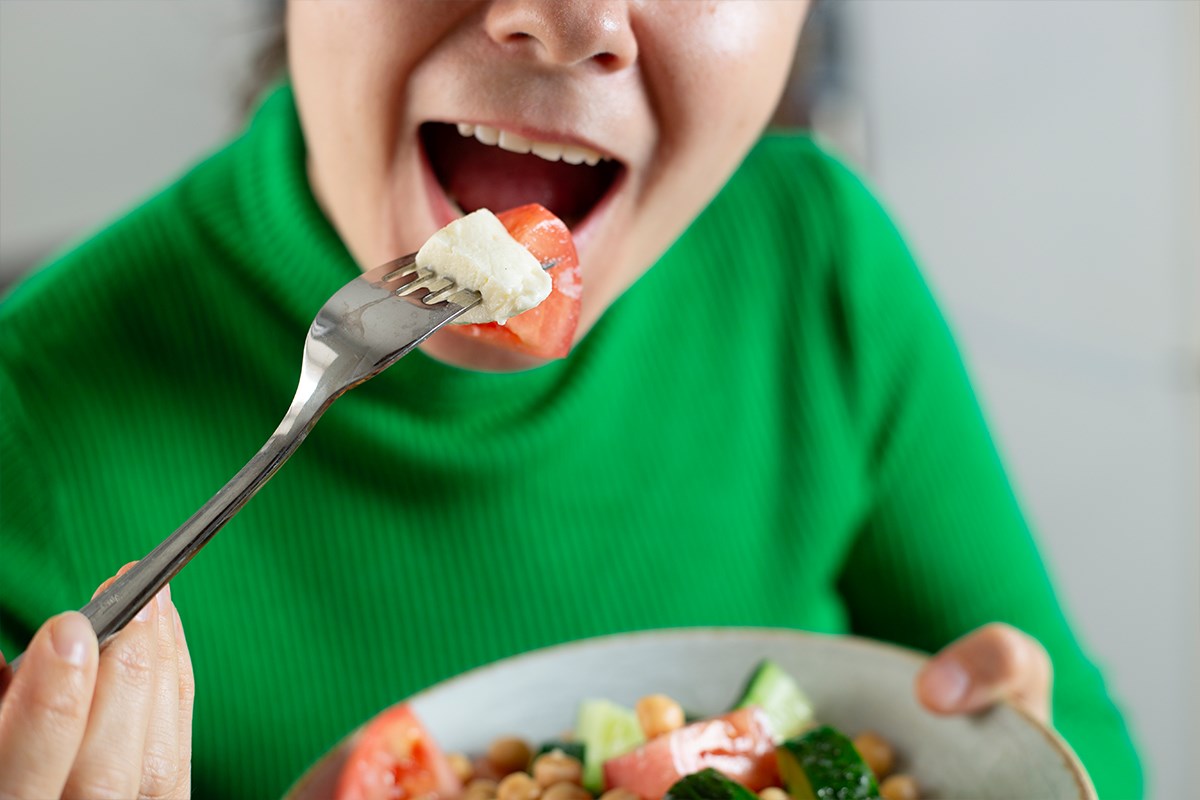
If you’ve just had a dental bone graft, you’re probably staring at your fridge wondering, “When can I eat solid food after bone graft?” Being careful after surgery helps you heal faster and avoid complications. Let’s talk about when to start eating solid food after bone graft and how you can safely enjoy solid foods again.
Table of Contents
ToggleWhen Can You Eat Solid Food After Bone Graft?
Let’s see when you can start eating solid food after bone graft in Phoenix:
First 3 Days
Exclusively drink liquids. They include smoothies, juices (not acidic), broth, milkshakes, and plenty of water. Keep in mind to stay clear of hot drinks and straws!
Days 4-7
Move on to soft foods. They include scrambled eggs, mashed potatoes, yogurt, oatmeal, pudding, and applesauce. They are soft and easy to eat and digest.
1 to 2 Weeks
You can start having softer foods that need minimal chewing. They include pasta, rice dishes, and soft-cooked veggies. You can also have soups with small pieces of meat or fish.
2 Weeks to 1 Month
Gradually add semi-solid foods to your diet. They include soft chicken or fish, steamed veggies, and soft fruits (bananas or peaches).
1 to 3 Months
Most dental patients return to normal solid foods around one month after surgery. Some people might need a bit longer, up to three months, depending on how quickly they heal.
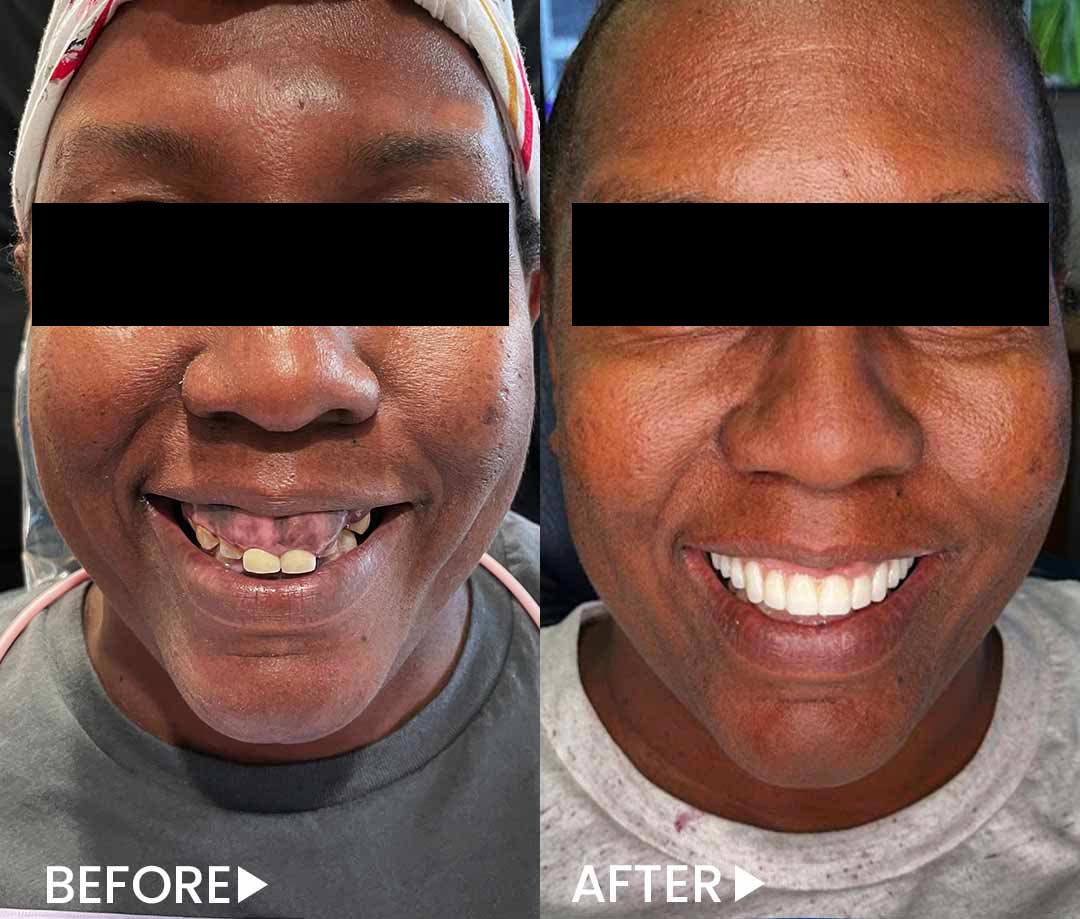
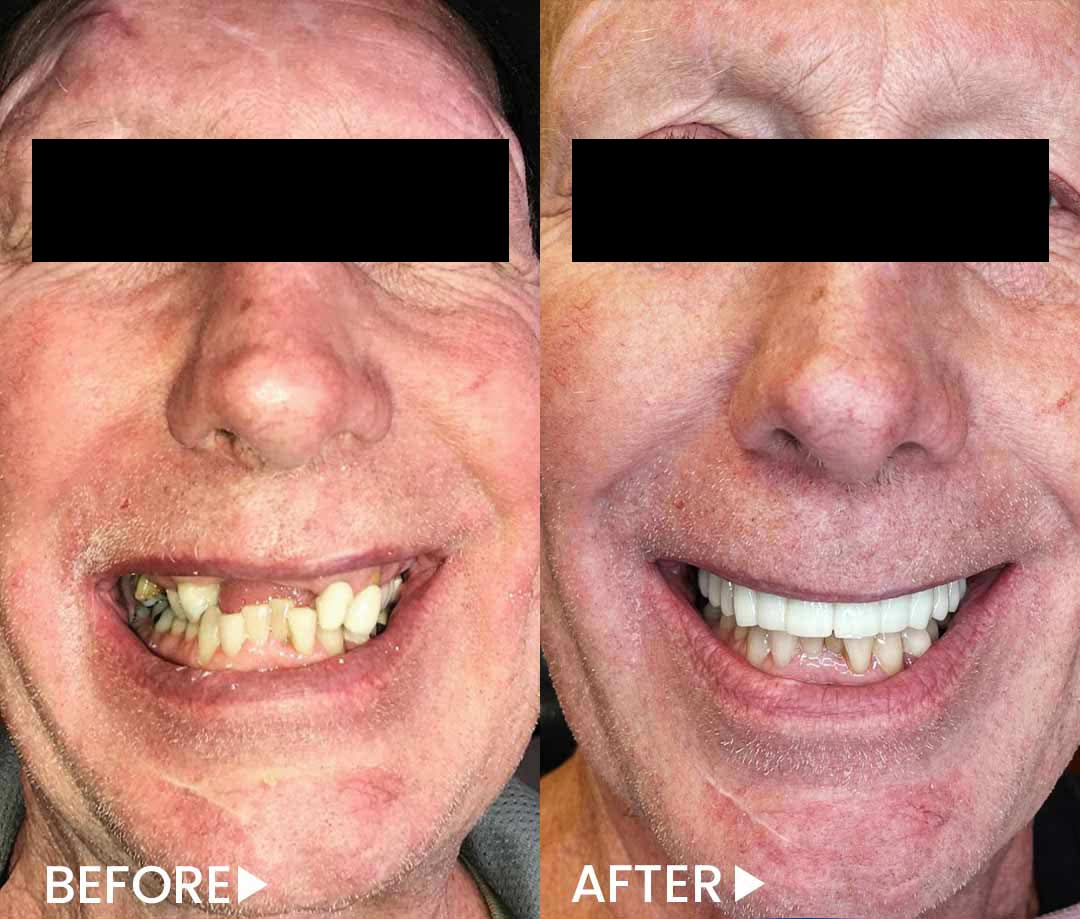
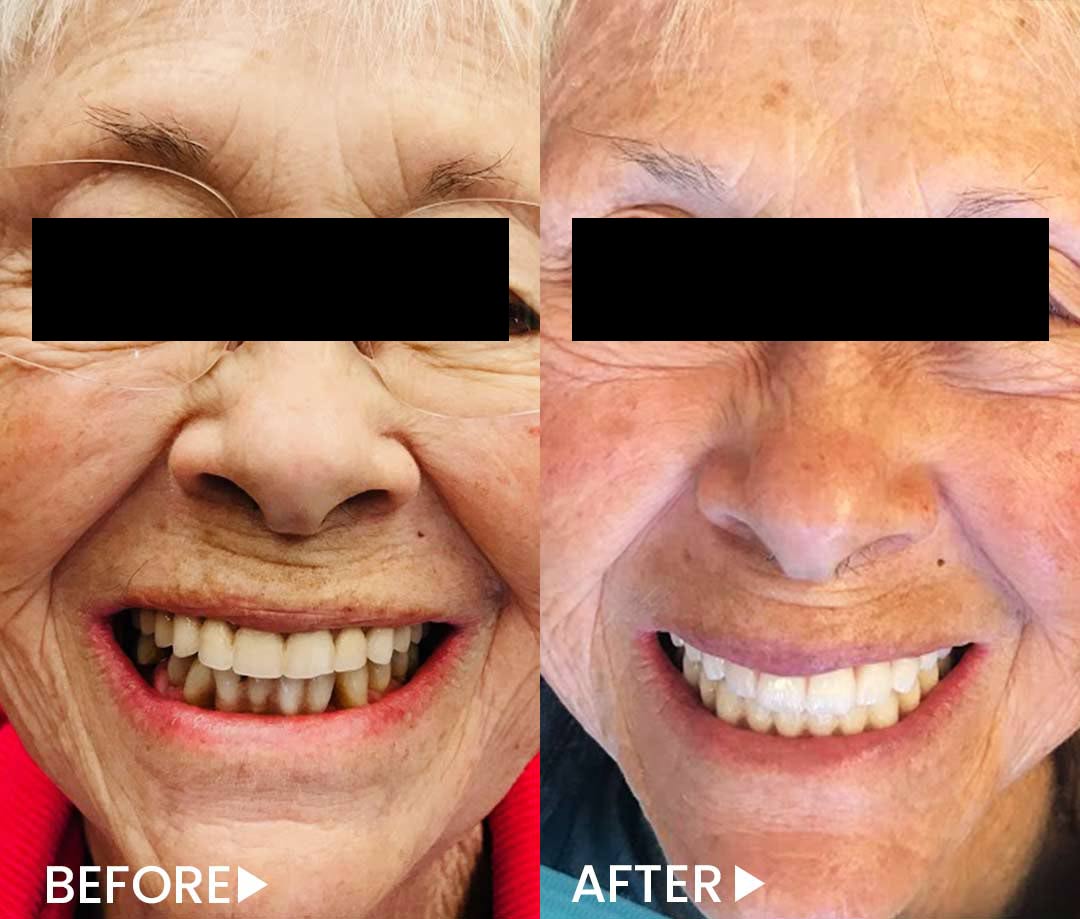
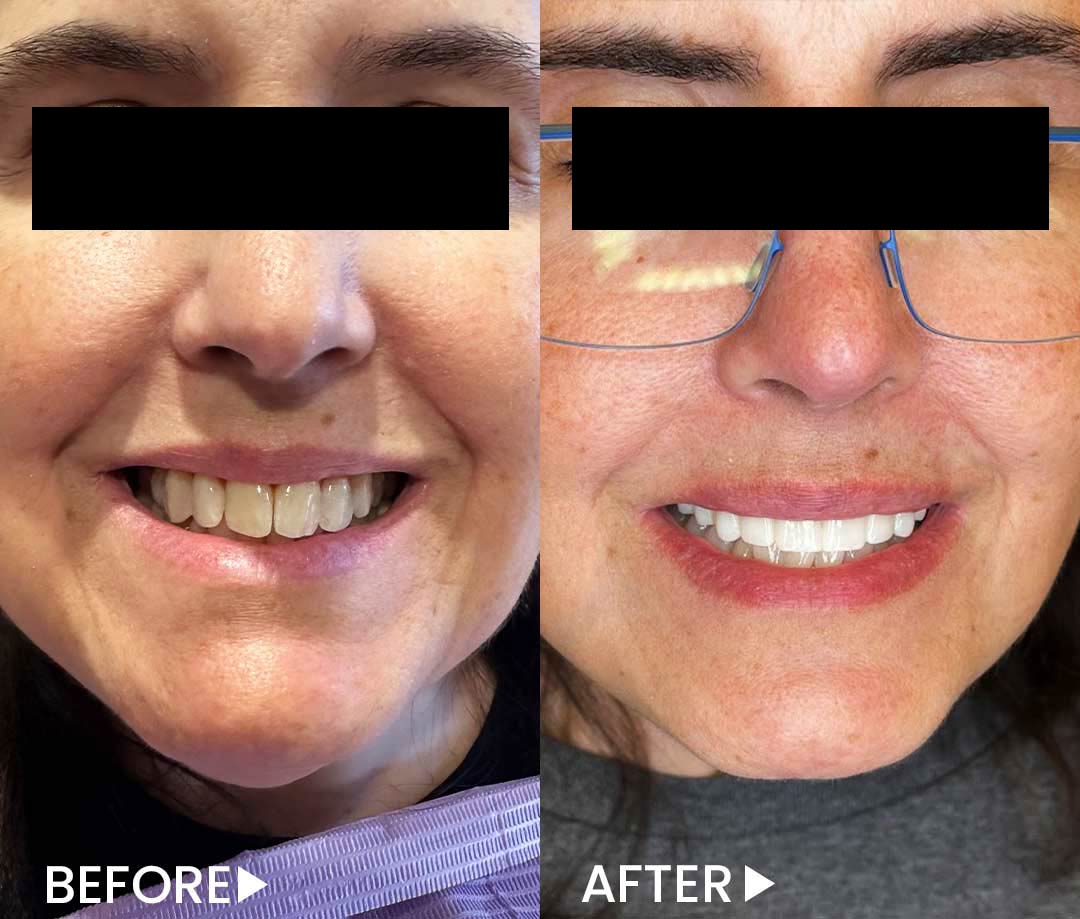
Bone Graft Dietary Guidelines
Eating solid food after bone graft has different phases. The right foods at each stage help your bone graft heal smoothly. Let’s take a look:
Phase 1: Liquid Diet
The first few days after surgery are super important for healing. Your mouth needs rest and gentle care after bone grafting. Stick with liquids that won’t irritate your gums or stitches:
- Cool water
- Fruit juices (but avoid acidic ones like orange juice)
- Clear broths
- Milkshakes (without straws)
- Smoothies (no seeds or chunks)
Remember: No hot drinks or straws! Heat and suction can disturb your stitches and slow down healing.
Phase 2: Soft Foods
After about three days, you’ll be ready for something more filling than broth. You can actually start eating solid food after bone graft to get energy without hurting your healing gums:
- Scrambled eggs
- Yogurt
- Mashed potatoes
- Applesauce or pureed fruits
- Oatmeal or cream of wheat
- Cottage cheese or soft cheese
Note: Avoid spicy or crunchy foods during this phase—they might irritate your mouth or cause discomfort.
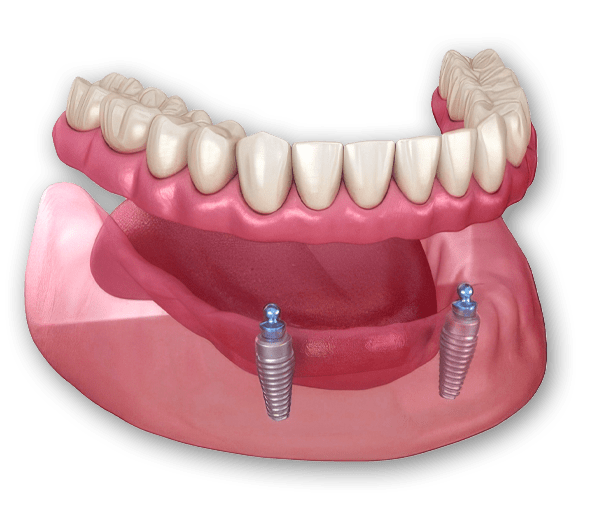
$12,900! $6,900!
- Complete Oral Evaluation
- Cone-Beam CT Scan
- 2 Implants per arch
- Implant Retained Overdenture
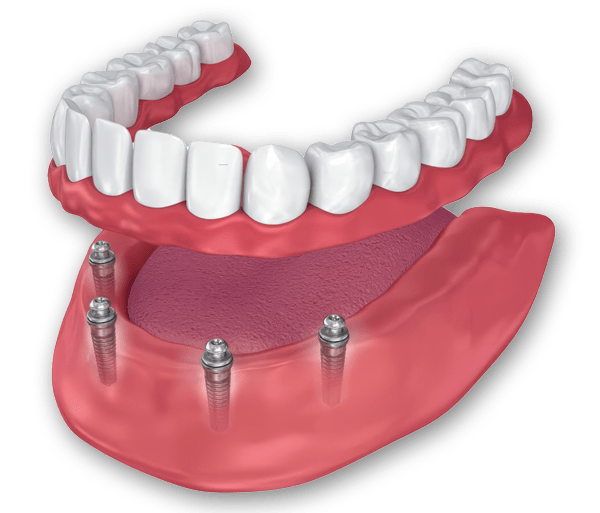
$17,900! $11,900!
- IV Sedation
- All extraction
- 4 Implants per arch
- Bone Graft
- Same Day Teeth
Get Your Complementary Dental Implant Exam
(Valued at $495)
Transitioning to Solid Foods
We talked about different phrases and what to eat, but let’s learn how to make the transition safely:
- Start with softer solids first! Choose pasta dishes, flaky fish, and tender chicken.
- Take small bites and chew gently.
- Chew on the opposite side of your mouth from the bone graft site.
- If you feel pain or discomfort, pause and wait another day or two before trying again.
- Listen closely to your body! It’ll tell you exactly when it’s ready!
Other Post Bone Graft Care Instructions
Healing isn’t just about food choices. Aside from learning when to start eating solid food after bone graft, you need to know extra tips for quick recovery:
- Use ice packs on your cheek. Use them in the first 24 hours to reduce swelling.
- Keep your head elevated when resting—it helps swelling go down faster.
- Avoid heavy lifting or intense exercise. Do it for at least one week.
- Don’t smoke or drink alcohol for at least two weeks after surgery. Smoking slows down healing.
- Brush gently around the surgical area but keep up regular brushing elsewhere in your mouth.
- Rinse gently with warm water (salty water ) as recommended by the best emergency dentist.
- Get plenty of rest—your body heals best when you’re relaxed!
What Not to Eat After Bone Graft Surgery?
Certain foods can cause trouble if eaten too soon after surgery:
- Avoid crunchy foods (chips and nuts) for at least one month. They can damage stitches or disturb the graft site.
- Stay away from spicy dishes for at least two weeks. They irritate sensitive gums and slow healing.
If you ignore our tips and eat these too early, you might experience pain, swelling, infection, or even graft failure. So, patience pays off big-time here!
How to Eat Solid Food after a Bone Graft?
When you’re finally ready to start eating solid food after bone graft, follow these simple tips:
- Cut food into small pieces.
- Chew slowly and carefully. Do it on the opposite side of the surgery.
- Choose softer meats first—like chicken breast or fish fillets rather than steak.
- Slowly introduce harder textures over several days.
FAQs
You can usually start with soft foods for the first week, then slowly add solid foods as your dental clinic in Phoenix advises.
Usually around one month after surgery—but some people may need up to three months depending on healing speed.
Wait at least two weeks before chewing on that side—or until your dentist gives you the green light.
Gently rinse with warm water (salt water) to remove stuck food bits. If it stays stuck or causes discomfort, call your dentist right away.
Avoid spicy foods for at least two weeks—they irritate sensitive gums and slow down healing.
Stay away from crunchy snacks like chips and nuts for at least one month—they might damage stitches or disturb healing tissue.