

Updated: 05/28/2026
A leaking tooth filling happens when the seal between the tooth and the filling breaks and lets in bacteria, food, and moisture. This can cause sensitivity, pain, visible gaps, decay under the filling, and even infection. A tooth filling is that leaking can cause several symptoms. You need to recognize early so you can avoid complications.
Join Central Valley Dentistry in Phoenix (rated 4.9 starts on Google with more than 900 positive reviews) to understand the tooth filling leaking symptoms, how to fic it, and how to prevent deeper damage.
Table of Contents
ToggleWhat is a Leaky Filling?
A leaky or leaking tooth filling happens when the filling no longer fits tightly against the tooth. Small gaps form around the edges and allow bacteria to enter. This can lead to tooth decay, pain, a cracked tooth, or infection. Many patients with leaking dental fillings Phoenix do not notice the problem until symptoms appear.
Fillings can leak even if they look fine from the outside. Decay often begins under the filling where it cannot be seen.
Several things can cause tooth filling leaking symptoms:
- Fillings wear down over time from chewing, grinding, or clenching.
- Temperature changes from hot and cold foods can make fillings move slightly. Over time, this movement can create small gaps.
- A filling can crack from biting on something hard.
- If bacteria slip under the edges, decay starts and pushes the filling away from the tooth.
- A hard bite or injury can loosen or damage the filling.
A leaking filling does not heal on its own. Early treatment is important.
The Most Common Tooth Filling Leaking Symptoms
When a tooth filling starts to leak, there are several signs you may notice. Each of these signs indicates that your filling is no longer providing the protection it should.
Tooth Sensitivity
Tooth sensitivity is one of the first tooth filling leaking symptoms. When the seal breaks, sensitive areas of your tooth may be exposed to hot, cold, or sweet foods. This can cause discomfort or pain, especially when you eat or drink. If your tooth becomes more sensitive in certain areas, this may be a sign that your filling is no longer properly sealed.
Visible Gaps
A visible gap between the filling and the tooth is another clear sign of a leaking dental filling in Phoenix. Gaps can develop around the edges of the filling due to natural wear or the filling shrinking over time. These gaps create space where food particles and bacteria can get trapped. If you can see or feel a gap around your filling, it’s a good idea to get it checked.
Pain or Discomfort
Feeling pain, especially when chewing or applying pressure to the tooth could be another sign. As the gap allows bacteria to enter, your tooth may become inflamed or infected. You might feel pain when biting or chewing, or even when touching the filling area. This discomfort can range from mild to sharp, and it’s a clear indication that the filling needs attention.
Discoloration
If your tooth starts to show discoloration near the filling, it could mean the filling is leaking. You might notice the tooth turning darker or having a yellowish or brownish tint. This discoloration happens because bacteria or decay are entering the tooth, and the area around the filling starts to deteriorate. If you notice any change in color, it’s time to get your filling replaced.
Bad Breath
Bad breath can be another symptom of a leaking filling. If your breath smells bad even after brushing, this could be because of a leaking filling. Bad breath can be a sign of deeper issues, like decay or infection that may require dental treatment.
Early Stage vs Late Stage Tooth Filling Leaking Symptoms
Catching a leaking filling early can help prevent costly dental treatment.
Early Symptoms
- Mild tooth sensitivity
- Occasional discomfort with cold or sweet foods
- Slight roughness around the filling
- Light discoloration around the edges
Late Stage Symptoms
- Sharp pain when chewing
- Visible gaps or cracks
- Dark brown or black discoloration
- Food packing between the tooth and filling
- Metallic taste
- Swelling or infection
- Bad breath that does not improve with brushing
If you notice later stage symptoms, you should see a Phoenix dentist as soon as possible.
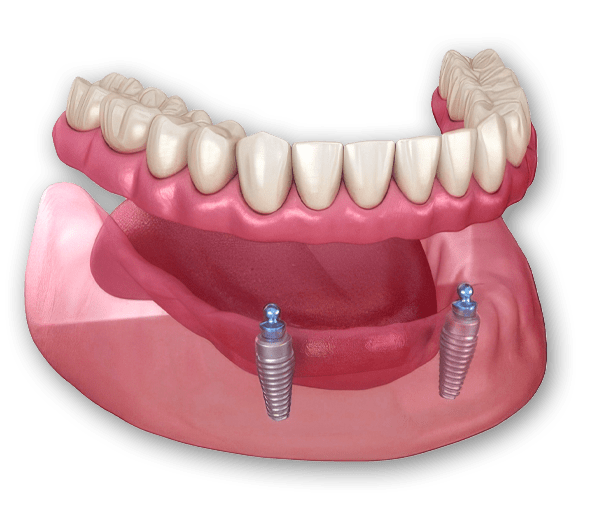
$12,900! $6,900!
- Complete Oral Evaluation
- Cone-Beam CT Scan
- 2 Implants per arch
- Implant Retained Overdenture
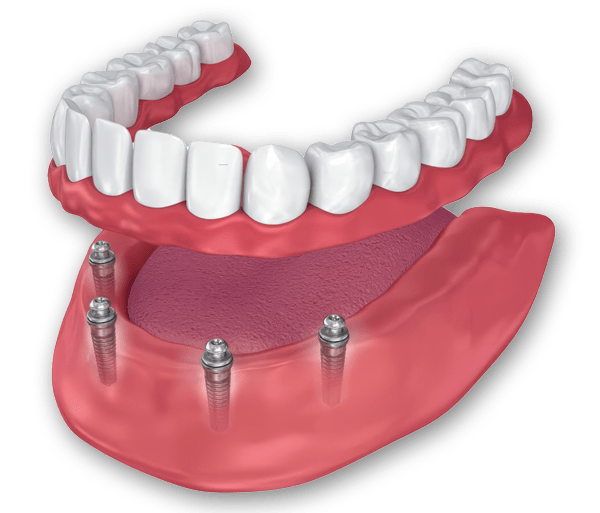
$17,900! $11,900!
- IV Sedation
- All extraction
- 4 Implants per arch
- Bone Graft
- Same Day Teeth
Get Your Complementary Dental Implant Exam
(Valued at $495)
How to Treat a Leaking Tooth Filling?
Dentists have several treatment options depending on how much the tooth is damaged.
- Replace the old filling with a new one when the filling is loose or damaged.
- Remove decay under the filling.
- Place a dental crown if the tooth has lost too much structure.
- Do a root canal if the decay has reached the pulp
- Use an onlay or inlay for larger areas of damage..
- Extract the tooth only if it cannot be saved.
Dentists use several tools to check if a filling is leaking.
- Digital X rays to see decay under the filling
- Explorer tool to detect gaps or soft areas
- Visual exam for cracks or rough edges
- Dye tests to highlight hidden decay
- Bite tests to locate pressure pain
How Long Can You Wait to Fix a Leaking Filling?
You need early treatments soon after tooth filling leaking symptoms appear. But in general:
- You can wait a few weeks for an early stage leak.
- You need an immediate fix for pain or visible gaps.
- An immediate fix for swelling or severe sensitivity
Waiting too long lets decay spread. Once decay reaches the nerve, the tooth may need a root canal instead of a simple filling replacement.
How Dangerous Is a Leaking Filling?
Here are the complications from failing fillings if not treated:
- Spread of tooth decay under the filling
- Infection of the inner pulp
- Breakage or cracking of the tooth
- Need for a root canal
- Need for a dental crown
- Tooth loss if the damage becomes severe
The earlier the problem is treated, the easier the repair will be.
What to do if You Think Your Filling is Leaking?
If you think you have any tooth filling leaking symptoms, you can follow these simple steps:
- Avoid chewing on the tooth.
- Avoid very hot or cold foods.
- Keep the area clean with gentle brushing.
- Use warm salt water to reduce irritation.
- Schedule an appointment with a dentist promptly.
If you experience swelling, intense pain, a cracked filling, or pus, you may need to visit an emergency dentist in Phoenix.
When to See an Emergency Dentist in Phoenix
Tooth filling leaking symptoms include sensitivity, visible gaps, pain, discoloration, bad breath, and changes in taste. A leaking filling can lead to decay, infection, or tooth loss, so it needs immediate attention.
You should get urgent dental care if you have:
- Throbbing pain
- Facial swelling
- Fever
- A metallic taste or discharge
- A cracked or broken filling
- Sudden severe sensitivity
At Central Valley Dentistry, Dr. Behbahani evaluates your tooth, repairs the filling, and prevents further damage.
If you think your filling is leaking, contact us today to repair your cavity filling:
- Call us at (602) 246-0385.
- Visit us at 6232 North 7th St. Suite 201, Phoenix, AZ 85014.
FAQs
Can a leaking filling cause an infection?
Yes. Bacteria can enter through gaps and create decay or an abscess.
What causes a tooth filling to leak?
Wear, cracks, shrinking filling material, or decay under the filling can all cause leaks.
Can a leaking filling be fixed?
Yes. Many leaking fillings can be repaired or replaced. Severe cases may need a crown or root canal.
What happens when a tooth filling leaks?
The tooth becomes exposed to bacteria which can lead to sensitivity, pain, decay, or infection.
Can a leaking filling cause a metallic taste?
Yes. Bacteria and trapped food can create a metallic taste or bad smell.