

Updated: 05/28/2026
A broken tooth should not go untreated. Even if it does not hurt right away, the crack or chip can let bacteria inside the tooth. This can lead to infection, pain, and tooth loss within days or weeks. Some people wait a few days to a few weeks before seeing a dentist, but generally you should seek treatments within 24–72 hours if you have an untreated broken tooth.
Join Central Valley Dentistry in Phoenix (rated 4.9 starts on Google with more than 900 positive reviews) to understand when you should see a dentist to prevent deeper damage.
Table of Contents
ToggleWhat Counts as a Broken Tooth?
A broken tooth can happen from biting something hard, grinding your teeth, sports injuries, accidents, or old dental work failing. Some breaks look small on the outside but cause major problems inside the tooth.
Types of broken teeth include:
- Chipped tooth
- Cracked tooth
- Fractured tooth
- Broken cusp
- Split tooth
- Deep crack that reaches the nerve
- Tooth broken below the gumline
How Long Is It Safe to Have a Broken Tooth?
It is only safe to wait a very short time to fix an untreated broken tooth. On average:
- A small chipped tooth may be safe for about 1 to 3 days.
- A mild cracked tooth may be safe for about 1 to 7 days.
- A deep crack or tooth broken near the nerve can be unsafe in less than 24 hours
- A tooth broken below the gumline is a dental emergency and should be seen the same day.
Remember! Any broken tooth can get worse quickly, so these times are only rough guidelines. Pain, swelling, or fever mean you should call a Phoenix emergency dentist right away, no matter how long it has been.
Here are the average safe wait times to fix an untreated broken tooth:
Type of broken tooth | Average time you can safely wait | Why waiting is risky |
Chipped tooth | 1 to 3 days | The chip can grow, enamel weakens, and sensitivity or decay can start. |
Cracked tooth | 1 to 7 days | The crack can spread to the nerve, causing pain and infection. |
Fractured tooth | 1 to 3 days | A larger part of the tooth is missing and the inner layers are exposed to bacteria. |
Broken cusp (corner of tooth broken) | 1 to 7 days | The tooth becomes weak and can break more, and food can pack into the area. |
Split tooth | Less than 24 hours | The tooth is often split into two parts and can quickly become unsavable. |
Deep crack that reaches the nerve | Same day (0 to 24 hours) | High risk of nerve infection, severe pain, and abscess if not treated quickly. |
Tooth broken below the gumline | Same day (emergency) | Often cannot be repaired if you wait; infection can spread to the bone and gums. |

Signs You Need Broken Tooth Treatment
- Pain when biting down
- Pain when chewing
- Sharp edge cutting your tongue or cheek
- Sensitivity to hot or cold
- Tooth feels loose
- Tooth looks dark or discolored
- Bad taste from possible infection
- Bleeding around the tooth
- Swollen or red gums
- Pus around the tooth
- Fever or facial swelling
- Pressure or throbbing pain
These symptoms often mean your untreated broken tooth is cracked, fractured, or infected.
What Happens If a Broken Tooth Goes Untreated?
An untreated broken tooth does not heal on its own. Waiting usually makes the situation worse.
First Few Days
A small chip or light crack may not hurt right away, but bacteria can still enter. The enamel weakens, sensitivity may start, and the crack can spread with chewing. It’s best to see a dentist within days to prevent deeper damage.
After 1 to 2 Weeks
The crack of your untreated broken tooth may reach the dentin or nerve, causing pain or sensitivity to hot and cold. Infection risk becomes high, and waiting longer often leads to nerve damage or a root canal.
After 3 to 4 Weeks
Infection may reach the pulp, causing constant pain, swelling, and pressure. The tooth weakens further, and an abscess can form. At this stage, saving the tooth is much harder.
After 1 to 2 Months
The tooth is often beyond repair. The crack may reach the root, infection can spread to the bone, and extraction is usually needed. Bone loss and costly repairs like implants may follow.
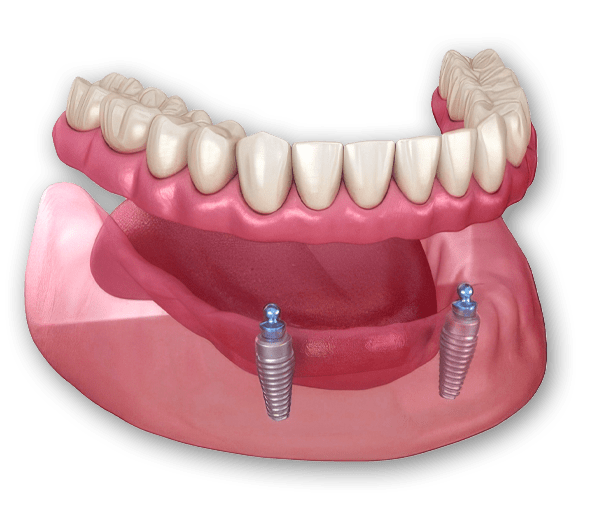
$12,900! $6,900!
- Complete Oral Evaluation
- Cone-Beam CT Scan
- 2 Implants per arch
- Implant Retained Overdenture
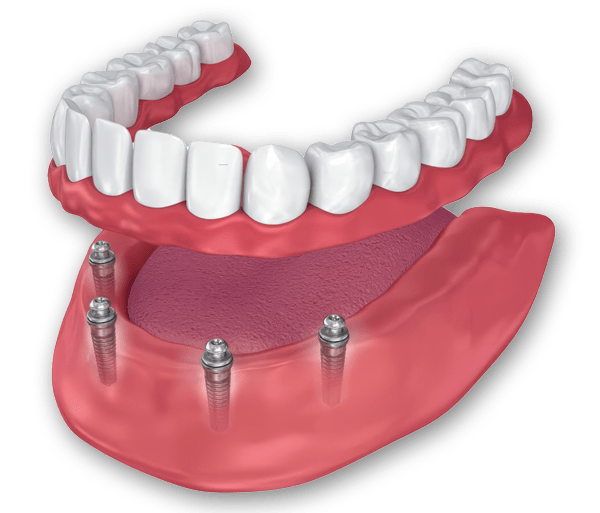
$17,900! $11,900!
- IV Sedation
- All extraction
- 4 Implants per arch
- Bone Graft
- Same Day Teeth
Get Your Complementary Dental Implant Exam
(Valued at $495)
What to Do When a Tooth Breaks Off?
Act fast to protect your untreated broken tooth before you see a Phoenix dentist:
- Rinse your mouth with warm water.
- Save any broken pieces if possible.
- Use dental wax or sugarless gum to cover sharp edges.
- Take over the counter pain medicine.
- Use a cold pack on the cheek to reduce swelling.
- Do not chew on the broken side.
- Avoid hard, sticky, or very hot or cold foods.
- Keep the tooth clean by gently rinsing with salt water.
- Call a Phoenix emergency dentist the same day, especially if there is pain or swelling.

How Dentists Treat a Broken Tooth
Dentists use these tests to find the right treatment for your untreated broken tooth:
- Visual exam of the crack or chip
- Dental X rays to check roots and bone
- Bite test to pinpoint pain
- Cold test to check nerve response
- Checking gums for swelling or infection
Treatment depends on the type and depth of the crack:
Treatment | When It’s Used | Purpose / Outcome |
Dental Bonding | Small chips or minor surface cracks | Tooth-colored resin is applied and shaped to restore appearance and seal damage |
Filling Repair | When part of a filling or tooth breaks off | Restores the missing portion of the tooth and prevents further decay |
Dental Crown | Tooth is weak or has a deeper crack | A custom cap covers and protects the tooth structure from breaking |
Root Canal Therapy | Crack reaches the nerve or infection starts | Removes infected tissue, eliminates pain, and saves the tooth |
Extraction | Crack extends below the gumline or tooth cannot be saved | Removes the damaged tooth to prevent spread of infection |
Replacement Options After Extraction | When a tooth is missing | Dental implants to replace one tooth; dental bridges to fill small gaps; all-on-4 implants to restore several missing teeth |
Is a Broken Tooth a Dental Emergency?
Yes in many cases. You should seek emergency dental care in Phoenix if you have:
- Severe pain
- Facial swelling
- Fever
- Pus or a bad taste
- A tooth that feels loose
- A crack that reaches the gumline
- Bleeding that does not stop
- A large piece of the tooth broken off
These can signal infection or deeper structural damage.
Emergency Dentist for an Untreated Broken Tooth in Phoenix
An untreated broken tooth leads to pain, infection, and tooth loss. You should contact a Phoenix emergency dentist right away if:
- Pain wakes you up at night
- Pain gets worse when chewing
- You see swelling around the jaw
- The tooth feels weak or unstable
- There is a visible crack line
- You notice discoloration of the tooth
- You taste something foul or metallic
- You have sensitivity that keeps getting worse
At Central Valley Dentistry in Phoenix, Dr. Behbahani offers same-day and emergency dental care for broken, cracked, or chipped teeth, and tooth pain.
If you’re experiencing severe tooth pain or swelling, don’t delay. Call us at (602) 246-0385 or visit us at 6232 North 7th St. Suite 201, Phoenix, AZ 85014.
FAQs
How long can a broken tooth go untreated?
You should not wait. Damage and infection can start within days. Early treatment protects the untreated broken tooth and helps avoid root canals or extraction.
Can a broken tooth heal on its own?
No. Teeth cannot regrow or repair cracks by themselves.
Is a broken tooth always an emergency?
Not always, but any pain, swelling, fever, or a deep crack is an emergency.
What happens if a broken tooth gets infected?
You may develop severe pain, swelling, and a tooth abscess. The infection can spread to the bone and may require a root canal or extraction.
Can a broken tooth still be saved?
Many broken teeth can be saved with bonding, a crown, or a root canal. Deep cracks below the gumline are harder to save.
How do I know if my broken tooth is serious?
Look for pain, hot or cold sensitivity, swelling, dark color, loose feeling, or a visible deep crack.