

Updated: 06/03/2026
Feeling numb after a dental filling is normal. Most patients feel numb for 1 to 3 hours. Sometimes, it can last 4 to 8 hours. This depends on the numbing medicine, the amount used, the depth of the filling, and your body.
Your lips, tongue, cheeks, or part of your face may feel heavy, tingly, or hard to move. This may feel strange, but it usually goes away on its own. In this article, Central Valley Dentistry explains how long numbness lasts after a dental filling, why it happens, what you can do, and when you should call your dentist.
Table of Contents
ToggleWhat Do Dentists Use to Numb Your Mouth?
Dentists use local anesthetics to keep you comfortable during a dental filling. These medicines stop pain signals from the nerves in your mouth, so you do not feel pain during treatment. Here are some common types of dental anesthetics:
Dental Anesthetic | How Long It May Last |
Lidocaine | Lidocaine is one of the most common options, and it often lasts about 1 to 2 hours. |
Articaine | Articaine can make the area deeply numb and may last about 2 to 4 hours for some patients. |
Bupivacaine | Bupivacaine lasts longer than the other options and may leave your mouth numb for 4 to 8 hours. |
Your dentist will choose the right numbing medicine based on the tooth, the size of the cavity, your comfort level, and the length of the visit.
How Long Does Dental Numbing Last After a Filling?
Dental numbing after a filling usually lasts 1 to 3 hours. Some patients feel normal sooner, while others stay numb longer. The time depends on the filling, the numbing medicine, and your body. Below, we tell you how long numbness may last in different situations.
Small Dental Filling
Numbness after a small dental filling may last 1 to 3 hours. These fillings often need less numbing medicine. Most patients feel normal again fairly quickly after the visit.
Standard Cavity Filling
Numbness after a standard cavity filling may last 2 to 4 hours. This is common for many patients after routine dental work. The numb feeling usually fades slowly during the day.
Deep Cavity Filling
Numbness after a deep cavity filling may last 2 to 5 hours. Deeper fillings may need more anesthetic to keep you comfortable. Some patients may also notice mild soreness after the numbness wears off.
Multiple Fillings
Numbness after multiple fillings may last 4 to 6 hours. Your dentist may use more numbing medicine when treating more than one tooth. The more areas treated, the longer the numbness may last.
If your numbness lasts much longer than expected, contact your dentist or a dental clinic in Phoenix for advice. At Central Valley Dentistry, Dr. Behbahani and our team help patients with dental fillings, tooth pain, numbness after dental work, and other dental concerns. Call us at (602) 246-0385 to schedule an exam.

How Long Does Numbness Last After a Cavity Filling?
Most cavity fillings use a standard local anesthetic. This means your mouth may stay numb for about 2 to 4 hours after treatment. The numbness may fade in stages. Some patients feel their lips, tongue, or cheeks return to normal at different times.
This depends on where the anesthetic was placed and which nerves were affected. If you had a deeper filling, more anesthetic, or several fillings in one visit, the numbness may last longer. For some patients, it can last 5 to 6 hours.
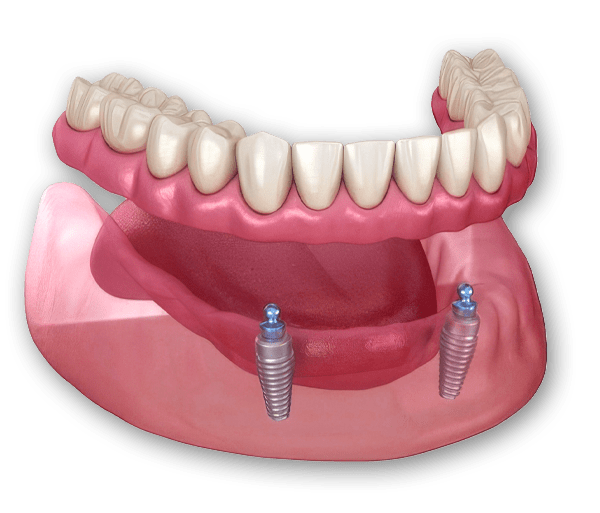
$12,900! $6,900!
- Complete Oral Evaluation
- Cone-Beam CT Scan
- 2 Implants per arch
- Implant Retained Overdenture
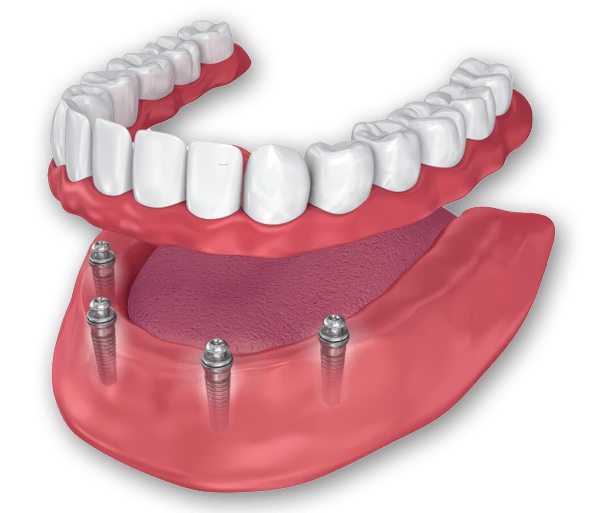
$17,900! $11,900!
- IV Sedation
- All extraction
- 4 Implants per arch
- Bone Graft
- Same Day Teeth
Get Your Complementary Dental Implant Exam
(Valued at $495)
Why Is My Mouth Still Numb After a Filling?
Several things can affect how long numbness lasts after a dental filling. Some patients feel normal again quickly, while others stay numb for a longer time. The type of numbing medicine, the amount used, and your body can all affect the recovery time.
Here are some factors that can affect numbness after a dental filling:
- Some types of numbing medicines last longer than others.
- A higher amount of anesthetic may take longer to wear off.
- A deeper cavity may need more numbing medicine.
- Numbness may last longer if the anesthetic was placed near a major nerve.
- Some people process anesthetic faster than others.
- Health conditions, such as diabetes, may affect how your body responds.
- Multiple fillings in one visit may require more anesthetic.
What to Do While Your Mouth Is Numb
You cannot make dental numbness go away right away, but you can stay safe and comfortable while it wears off. Try these simple tips:
- Wait to eat until the numbness is gone, so you do not bite your cheek, lip, or tongue.
- Avoid hot drinks, such as coffee or tea, because you may not feel a burn while your mouth is numb.
- Gently massage your cheek to help support blood flow.
- Take a short walk if your dentist says it is okay, because light movement may help your body process the anesthetic.
- Drink water to stay hydrated.
- Rest if you need to, especially after a longer dental visit.
- Do not poke, bite, or pull on numb areas, because you may hurt the tissue without feeling it.
Tips to Prevent Prolonged Numbness After Dental Work
Prolonged numbness after a dental filling is rare, but there are ways to lower the risk. Before treatment, tell your dentist if:
- You have had prolonged numbness after dental work before.
- You have diabetes or another chronic health condition.
- You take medications that may affect healing.
- You feel very anxious during dental visits.
- You have had problems with local anesthesia in the past.
After your filling, follow your dentist’s post-care instructions. This can help reduce irritation and support a smoother recovery.
When Should You Call the Dentist?
Call your dentist if your numbness lasts longer than expected or feels different from normal dental anesthesia. You should contact a dentist if:
- Numbness lasts more than 8 to 12 hours.
- Your tongue, lip, cheek, or face stays numb the next day.
- You feel sharp pain, swelling, or pressure.
- You have trouble speaking, swallowing, or moving part of your face.
- Your bite feels very uneven after the numbness fades.
- The numb area feels worse instead of better.
If your mouth still feels numb hours after a dental filling in Phoenix, our dental team can check your filling, bite, and nerve response to make sure everything looks normal. Dr. Behbahani and our team are here to help. Call us at (602) 246-0385 to schedule an exam.

Final Thoughts
Numbness after a dental filling is normal and usually goes away within a few hours. The time can change based on the numbing medicine, the filling, and your body. While your mouth is numb, avoid eating, hot drinks, and biting the area. If the numbness lasts longer than expected or feels unusual, call your dentist for advice.
FAQs About Numbness After Dental Filling
Yes. If numbness lasts much longer than expected, call your dentist or an emergency dental clinic. Prolonged numbness may need an exam to check for nerve irritation or another issue.
Call your dentist. Tongue numbness that lasts for days is not common after a simple filling. Your dentist can examine the area and check for nerve irritation.
Your face may feel numb for 1 to 4 hours after most fillings. If your dentist used a stronger anesthetic, numbness may last up to 8 hours.
It is better to wait until the numbness wears off. Eating while numb can cause you to bite your cheek, lip, or tongue without noticing it.
Seven hours of numbness can happen if your dentist used a long-lasting anesthetic or a higher dose. If the numbness does not improve soon or lasts overnight, call your dentist.