
Updated: 06/03/2026
A cracked filling may seem minor at first, but it can quickly lead to tooth pain, sensitivity, or even infection if left untreated. Fillings are designed to protect teeth damaged by cavities, but over time, daily chewing pressure, teeth grinding, and normal wear can weaken them.
If you notice discomfort or believe your dental filling has cracked, it’s important to understand the causes, symptoms, and treatment options available. In this guide, Central Valley Dentistry will tell you why fillings crack, what symptoms to watch for, and what treatment options are available.
Table of Contents
ToggleIs It Normal for Fillings to Crack?
Yes, dental fillings can crack over time. Chewing, biting, temperature changes, and teeth grinding can put stress on fillings. Older fillings can weaken and break more easily. A broken filling can expose the inner layers of the tooth to bacteria.
This can raise the risk of decay and infection. Regular dental checkups help dentists find small cracks before they become bigger problems. At our Phoenix dental office, Dr. Behbahani often sees cracked fillings from nighttime grinding and old dental work.
What Does a Cracked Filling Look Like?
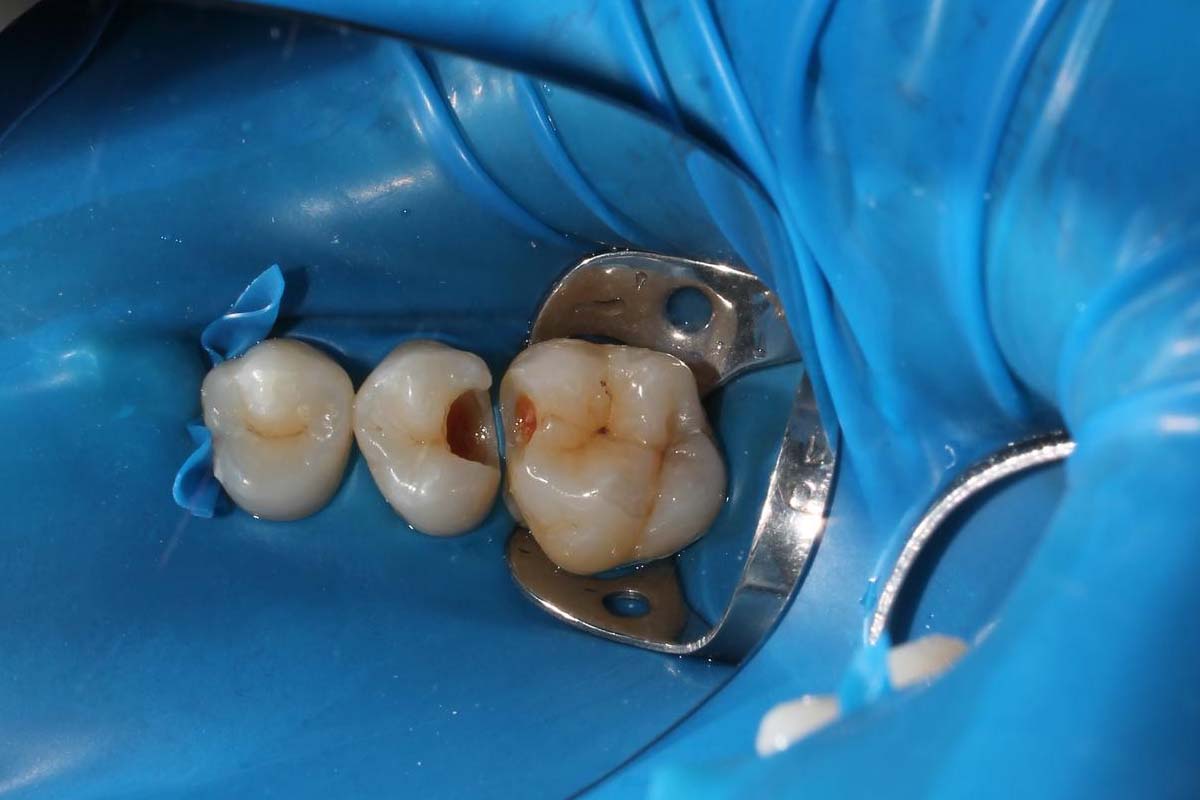
A broken filling is not always easy to see. In some cases, patients only discover the damage during a routine dental exam. Signs a filling may be cracked include:
- A visible line or fracture in the filling
- A rough or sharp edge
- Part of the filling missing
- Dark discoloration near the filling
- Food getting trapped around the tooth
Symptoms of a Cracked Filling
A damaged filling can cause pain or discomfort. You may feel changes when you eat, drink, or bite down. Common cracked filling symptoms include:
- Sensitivity to hot or cold foods
- Pain when you bite or chew
- Toothache near the filled tooth
- Sharp pain when you stop biting down
- Roughness you can feel with your tongue
- Bad taste or bad breath from trapped bacteria
If you notice any of these signs, Central Valley Dentistry can examine your tooth, repair the damaged filling, and help prevent more serious dental problems. Call us at (602) 246-0385 to schedule your visit.
What Causes a Filling to Crack?
A filling can crack over time from daily pressure and normal wear. Some habits and foods can also damage the filling and make it weaker. Below are some common reasons why a filling may crack:
- Hard foods like ice, popcorn kernels, nuts, and hard candy can crack a filling.
- Teeth grinding or clenching can put strong pressure on teeth and fillings.
- Old fillings can weaken after years of chewing and daily use.
- Hot and cold foods can make fillings expand and shrink.
- Large fillings can leave less natural tooth support, so they may break more easily.
Which Types of Fillings Crack Most Often?
Different filling materials can wear down in different ways over time. Some fillings may crack faster because of teeth grinding, daily chewing, or age. Below are some common types of fillings that may crack over time:
Type of Filling | Why It May Crack |
Composite fillings | They match your tooth color, but they may wear down faster if you grind your teeth. |
Amalgam fillings | These silver fillings are strong, but they can expand and shrink over time and stress the tooth. |
Older fillings | Fillings that are many years old have a higher risk of cracks or leaks. |
Can a Cracked Filling Be Repaired?
Yes, dentists can repair many broken fillings before they cause serious tooth damage. Early treatment can help protect your tooth, reduce pain, and prevent infection. The type of treatment depends on how large the crack is and whether the tooth underneath is damaged. Here are some common treatment options for a cracked filling:
- Small crack: Your dentist may smooth or polish the filling if the damage is minor.
- Damaged filling edges: Your dentist may repair only the broken part of the filling.
- Large crack: Your dentist may remove the old filling and place a new one.
- Weak tooth structure: You may need a dental crown to protect and strengthen the tooth.
- Deep decay or infection: You may need root canal treatment if bacteria reach the inside of the tooth.
- Loose or worn filling: Your dentist may replace the filling to restore the tooth and improve your bite.
Your dentist will examine the tooth, check for decay or damage, and take digital X-rays to decide the best treatment for your smile.
What Happens If You Ignore a Cracked Filling?
You should not wait too long to fix a broken filling. Even a small crack can let bacteria enter the tooth and cause more damage over time. The crack may also grow larger when you chew or bite down. This may lead to:
- Tooth decay under the filling
- Infection
- Tooth cracks or breaks
- More pain and sensitivity
- More costly dental treatment
If you think your filling is damaged, try to schedule a dental visit within a few days. Early care can help protect your tooth and prevent bigger dental problems.
When Is a Cracked Filling a Dental Emergency?
A cracked tooth filling can become a dental emergency if symptoms worsen. Seek emergency dental care if you have:
- Severe tooth pain
- Swelling around the tooth or gums
- Bleeding
- A filling that completely fell out
- Difficulty chewing
- Signs of infection or pus
Emergency dental treatment can help prevent permanent tooth damage. If you need emergency dental care in Phoenix, contact Central Valley Dentistry at (602) 246-0385 right away.
How to Prevent a Filling from Cracking
You cannot stop all wear on a filling, but you can lower the risk of cracks. Good daily habits can help your fillings last longer. Regular dental visits can also help your dentist find small problems early. Here are some simple ways to protect your fillings:
- Avoid chewing ice or hard candy
- Wear a night guard if you grind your teeth
- Replace old fillings when your dentist recommends it
- Do not use your teeth to open packages
- Brush and floss every day
When to Visit a Dentist in Phoenix
If you notice pain, sensitivity, or roughness around a filling, do not wait for symptoms to worsen. Early treatment can help prevent infection, save your tooth, and reduce the need for more extensive dental procedures later.
At Central Valley Dentistry, we provide cracked filling repair, emergency dentistry, dental crowns, and restorative dental treatments for patients throughout Phoenix. Schedule your appointment today or call us at (602) 246-0385 to protect your smile and restore your comfort.
Let’s Recap
A cracked filling may start as a small problem, but it can lead to pain, decay, or infection if you ignore it. Early care can protect your tooth and help you avoid more serious treatment. If you notice signs of a cracked tooth filling, schedule a dental visit as soon as possible.
FAQs
Yes, a cracked filling can cause pain, pressure sensitivity, or discomfort when eating hot, cold, or sweet foods.
Yes, bacteria can enter through the crack and cause decay or infection inside the tooth.
The exposed tooth becomes vulnerable to sensitivity, decay, and fractures. You should see a dentist as soon as possible.
Soft foods may be okay temporarily, but avoid chewing on the damaged side until the filling is repaired.
Yes, if bacteria reach the inner pulp of the tooth, root canal treatment may be needed to save the tooth.