
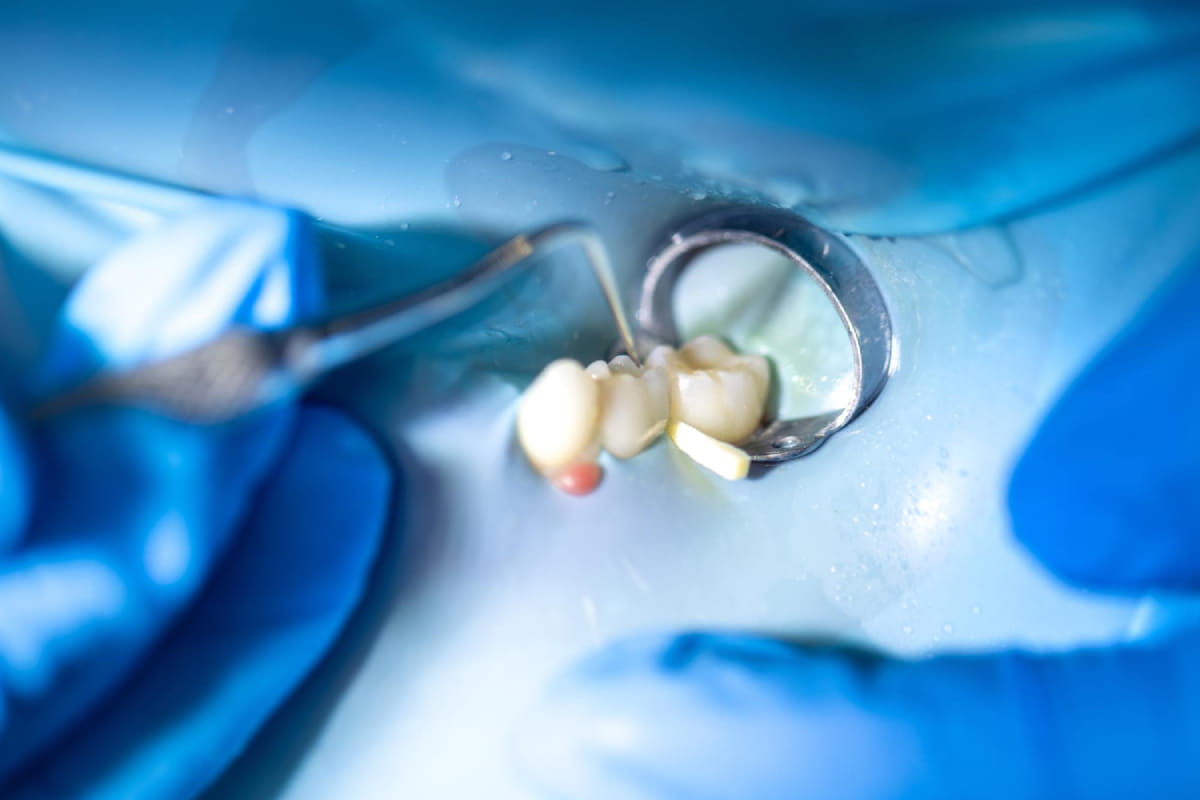
After getting a filling, many people wonder how long it will last. A filling fixes damage and keeps the tooth safe, but it won’t last forever. Every bite, every drink, and every day wears it down a little more. Some fillings last a few years. Others stay in place for decades. It depends on the type, the spot in your mouth, and how you care for your teeth. In this article, we explain everything you need to know so you don’t have to look anywhere else.
Table of Contents
ToggleTypes of Dental Fillings and Their Durability
How long teeth filling last depends on the type your dentist uses. Some fillings stay strong for many years, while others wear down sooner. Below, we explain each kind and how long it usually lasts to help you know what to expect and when you might need a replacement.
Amalgam fillings
Amalgam fillings are silver in color and made from a mix of metals. Dentists often place them in back teeth because they handle heavy chewing pressure. These fillings are strong and reliable. Most last between 10 and 15 years, and many last longer with good care.
Composite
Composite fillings match the natural color of your teeth. The best Phoenix dentists often use them for front teeth or visible areas. They bond well to the tooth and look natural. However, they wear down faster than metal fillings. Most composite fillings last about 5 to 10 years.
Gold fillings
Gold fillings are very durable and resist wear better than most materials. They rarely crack or break under pressure. Many gold fillings last 15 to 30 years. They cost more than other options and are more noticeable, but they offer excellent strength and long-term value.
Ceramic and Glass Ionomer Fillings
Ceramic fillings are tooth-colored and resist staining. Glass ionomer fillings release fluoride, which helps protect the tooth. These materials look natural but are less strong than metal. They usually last between 5 and 15 years, depending on the location and biting force.
Choosing the best type of filling depends on your tooth, your needs, and your budget. Some fillings look more natural, while others last longer. At Central Valley Dentistry, Dr. Behbahani helps you pick the right one for your smile. He explains the options clearly and makes sure you get a filling that fits your tooth and lasts as long as possible.
Factors That Affect the Lifespan of Fillings
Many things can affect how long teeth filling last. Below are common reasons why some fillings wear out sooner than others:
- Large fillings can make the tooth weaker and may not last as long
- Fillings in back teeth wear down faster because of heavy chewing
- Not brushing and flossing allows bacteria to cause more decay
- Grinding or clenching your teeth can crack or damage fillings
- Eating too many sugary or acidic foods weakens the area around the filling
- Brushing, flossing, and seeing the dentist often helps fillings last longer
Signs You Need to Replace a Filling
Fillings can show signs before they stop working. Below are common things to look for:
- Pain when you bite or chew
- Sensitivity to hot, cold, or sweet foods
- A rough or sharp spot on the tooth
- Food getting stuck in the same place often
- A dark line or gap around the filling
If you notice any of these signs, visit us at Central Valley Dentistry. Dr. Behbahani can check if your filling needs repair or replacement and make sure your tooth stays protected. With over 900 ★★★★★ Google reviews, patients trust us for fast, honest, and expert care.
How to Help Your Fillings Last Longer
Here are simple ways to help your fillings last longer:
- Brush your teeth twice a day with fluoride toothpaste
- Floss daily to clean between your teeth
- Don’t chew on ice, hard candy, or other hard items
- Cut down on sugary and acidic foods and drinks
- Visit your dentist every six months for a checkup
- If you grind your teeth at night, use a custom night guard
Final Thoughts
Fillings fix damaged teeth and help them work like normal, but they don’t last forever. The type of filling, how big it is, and how you care for your teeth all affect how long teeth filling last. Regular dental checkups in Phoenix help your dentist find any problems early, like cracks or decay. Replacing a filling on time can stop pain, infection, and bigger problems. With good care and regular visits, your fillings can keep your teeth strong for many years.
FAQs
How often should tooth fillings be replaced?
Most fillings need replacement every 5 to 15 years, depending on the material and the amount of wear.
How long can a tooth last after a filling?
A tooth can last a lifetime after a filling if you maintain good oral hygiene and attend regular dental checkups.
Is replacing a filling painful?
No. Dentists numb the area before treatment, and most patients feel little to no discomfort during the procedure.
How to tell if a filling needs replacing?
Pain when chewing, sensitivity, rough edges, cracks, or food getting trapped around the filling are common signs.
How much does it cost to replace tooth fillings?
The cost usually ranges from $100 to $300 per filling, depending on the size, material, and location in the mouth.